
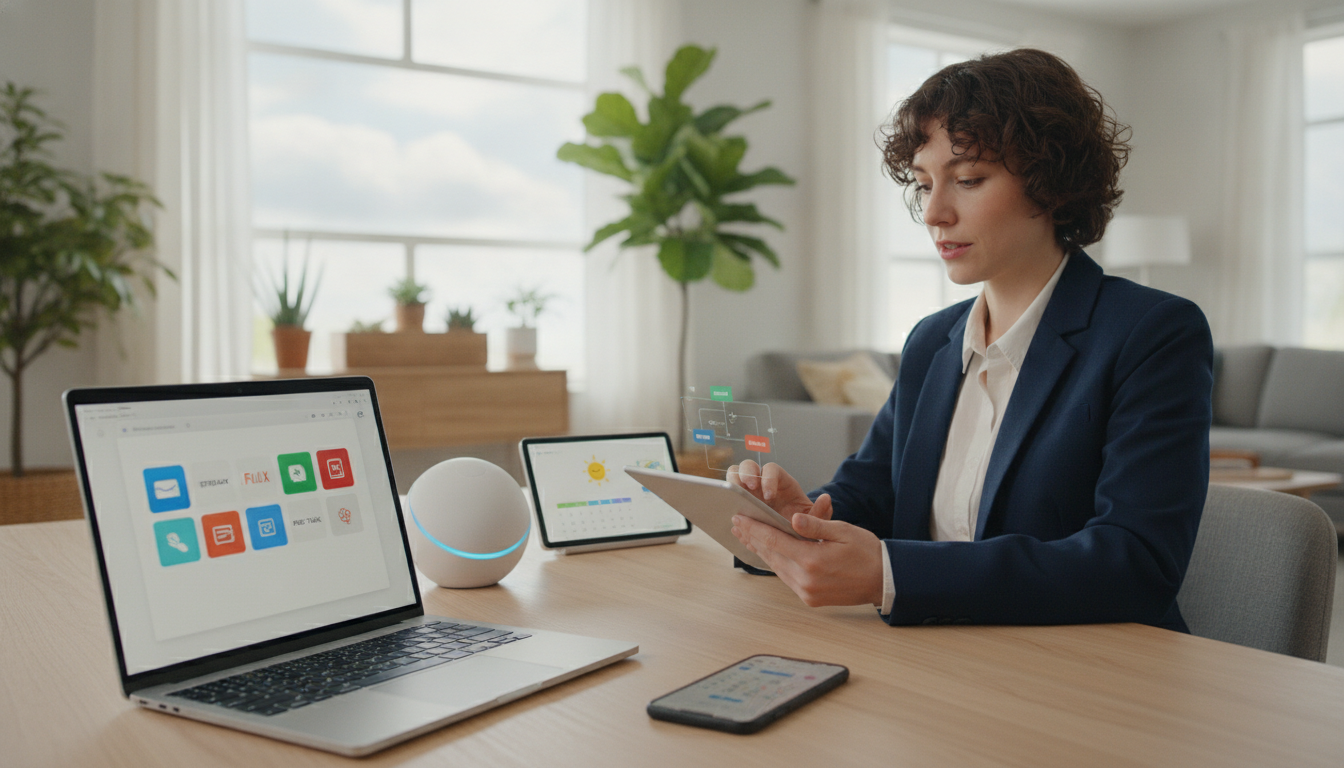
Imagine waking up each day with the freedom to access everything you need without the hassle of hefty upfront costs. In our fast-paced world, the blend of innovative solutions and subscription models is changing how we manage our daily lives. Technology & Subscriptions are now making it easier than ever to enjoy the flexibility of using what you need, when you need it, without having to own every tool or software outright.
This shift is not just about convenience; it’s about creating a lifestyle that adapts to your needs. Whether you’re a busy professional, a student, or someone simply looking to streamline your routine, these modern offerings can enhance your experiences. They provide access to premium services without the financial burden of traditional purchasing methods.
As we explore this transformative landscape, you’ll discover how embracing these systems can lead to smarter choices and better management of your resources. Join us on this journey to simplify your life through effective solutions that cater to your unique needs.
Key Takeaways
- Explore how modern solutions are reshaping daily management and access to tools.
- Understand the benefits of flexible pricing and continuous access to innovations.
- Learn about the growth of recurring revenue models in the market.
- Discover the components of the subscription ecosystem enhancing digital experiences.
- Gain insights into lower-cost options for premium products while promoting sustainability.
- Prepare to make informed decisions about the services you choose.
The Rise of Subscription Models and Their Impact on Technology
The rise of subscription-based offerings is transforming our relationship with technology and digital services. This shift marks a significant evolution in how businesses and consumers interact with software and products. Companies are moving away from traditional on-premises licensing to subscription models, driving predictable recurring revenue and higher valuations.
Evolution of Enterprise Technology and Subscription Business Models
Historically, enterprise technology relied on perpetual licenses. However, the market is now embracing subscription models. According to recent data, software subscription revenues are projected to grow at a compound annual growth rate (CAGR) of 16.6% between 2020 and 2024. This is a stark contrast to the expected decline of 6.1% for perpetual licenses.
Moreover, a CIBC World Markets study revealed that SaaS stocks have outperformed mature software companies, boasting an average stock price return of 83% compared to just 22% for legacy firms. This trend illustrates the market’s confidence in subscription-based revenue streams.
Benefits of Subscription Models for Companies and Customers
Subscription models provide numerous advantages for both companies and customers. They allow businesses to increase lifetime customer value and adopt scalable growth strategies. As a customer, you gain access to premium software without the burden of large upfront costs.
Additionally, subscriptions foster deeper relationships between businesses and their customers. Continuous product improvements and personalized offerings enhance the overall experience. This level of engagement is often unattainable with traditional one-time sales.
Challenges and Operational Considerations in Transitioning to Subscriptions
Despite the benefits, transitioning to subscription models presents significant challenges. Companies must restructure their pricing and bundling strategies, transform sales teams, and overhaul their accounting practices. The shift is neither simple nor quick, often taking five to seven years for full implementation.
During this transformation, key performance indicators evolve. Businesses shift from one-time sales metrics to recurring revenue measures like annual recurring revenue and net revenue retention. These metrics provide a clearer picture of a subscription business’s health.
Navigating the Subscription Technology Ecosystem with Technology & Subscriptions
The subscription model is revolutionizing how you access services and products. Understanding this ecosystem can greatly enhance your experiences and streamline your decision-making. As you explore this landscape, you will discover the essential components that shape modern subscription offerings.
The Traditional and Emerging Subscription Technology Stack
The traditional subscription technology stack primarily focuses on managing physical products, subscriber records, and recurring payments. However, the landscape is evolving. New components are emerging, which are vital for creating modern digital experiences.
Key Components: SaaS, CMS, Marketing Automation, and Data Platforms
One critical element is the Content Management System (CMS). A robust CMS allows businesses to build a content machine that organizes and describes their offerings. This organization not only extends the reach of content but also supports personalization, which deepens subscriber relationships.
Another key component is Marketing Automation. These platforms have advanced beyond simple email campaigns. They now orchestrate sophisticated, multi-channel journeys that guide prospects through awareness, consideration, and conversion. This evolution provides real-time insights into performance, helping businesses refine their strategies.
Additionally, understanding the distinction between a Customer Data Platform and a Data Management Platform is essential. Each serves different purposes in collecting and curating audience data, driving personalized experiences and measurable business outcomes.
Cloud-Based vs. On-Premises and Open Source vs. Proprietary Solutions
When considering solutions, it’s crucial to compare cloud-based services with on-premises deployments. Cloud-based options eliminate the need for server management and enable mobile access, while on-premises solutions offer greater control and customization potential.
Moreover, evaluating the trade-offs between open source and proprietary technology solutions is important. Open source platforms foster community-driven innovation and easier data portability. In contrast, proprietary systems provide curated roadmaps but may lead to costly customizations.
Ultimately, the modern subscription technology stack integrates SaaS applications, analytics tools, and data platforms. This cohesive ecosystem supports every aspect of acquiring, retaining, and growing your subscriber base.

Subscription-Based Electronics: Benefits and What to Consider Before Subscribing
Subscription-based electronics are changing how you experience and manage your tech needs. This model allows you to access devices like desktops, laptops, and televisions without the burden of hefty upfront costs. As this trend gains momentum, understanding its implications becomes crucial.
Why Subscription Electronics Are Gaining Popularity
More consumers are turning to subscription models for electronics, making access to devices easier than ever. Companies are adopting these programs because they provide a steady income stream while fostering brand loyalty. Subscribers are more likely to stay with a provider when it’s time to upgrade.
Advantages for Consumers: Cost, Latest Technology, and Sustainability
One of the main advantages of subscription electronics is the significantly lower initial costs. You gain constant access to the latest technology as new models are released. Moreover, many subscription plans include free maintenance and repairs, ensuring your devices remain in top condition.
Another compelling benefit is sustainability. Returned devices are often refurbished or recycled, which reduces the demand for new raw materials and helps combat electronic waste. This eco-friendly approach resonates with consumers who are increasingly concerned about environmental impact.
Important Considerations: Costs, Maintenance, and Data Security
While subscriptions offer many benefits, it’s essential to consider the long-term costs. For example, two years of $50 monthly payments for a new phone can total $1,200, compared to a $1,000 outright purchase. Additionally, with subscriptions, you don’t build equity in the device since it never becomes yours.
There are also strict rules regarding usage and maintenance. If a device breaks or slows down, you may face delays in shipping for repairs. Furthermore, data security is a significant concern. Even after a factory reset, personal information can linger on the device, making it vital to choose providers with certified IT asset disposal practices.
| Aspect | Subscription Model | Outright Purchase |
|---|---|---|
| Initial Cost | Lower | Higher |
| Long-Term Cost | Potentially Higher | Fixed |
| Device Ownership | No Ownership | Full Ownership |
| Maintenance | Included | Self-Managed |
| Sustainability | Higher (Refurbished) | Lower |
How to Choose the Right Subscription Technology and Services for Your Needs
Choosing the right subscription services can greatly enhance your personal or business experience. To start, it’s crucial to define your goals and requirements. This will guide you in selecting solutions that truly align with your needs.
Begin your technology selection journey by clearly defining your business or personal goals. Document exactly what you offer in the marketplace. Ensure that any technology you consider serves as an enabler rather than the driver of your strategic decisions.
Defining Your Business or Personal Goals and Requirements
Ask yourself critical foundational questions about your business model. Consider whether you focus on physical products, digital publications, subscription boxes, or a hybrid combination. Understanding your model will help you identify the necessary technology solutions.
Evaluating Subscription Models and Technology Options
Evaluate different subscription models and technology options by matching their capabilities against your documented requirements. Resist the temptation to be swayed by impressive sales pitches or the choices your competitors have made without conducting your own thorough analysis.
Assessing Total Cost of Ownership and Support Models
Understand that total cost of ownership extends far beyond the initial subscription fee. It includes ongoing maintenance, support, training, utilities, integration expenses, and the hidden costs of customizations that may complicate future upgrades.
Recognize the risks associated with heavily customizing proprietary solutions. Each customization can move you further from the provider’s standard upgrade path, potentially locking you into a situation that becomes increasingly difficult and expensive to escape over time.
Compare insourcing versus outsourcing models for managing your subscription technology ecosystem. Weigh the benefits of dedicated internal technology staff against the expertise and scalability offered by external specialists who work across different platforms daily.
Approach technology decisions with a clear understanding that the right solution should match your unique needs, culture, financial position, and long-term aspirations. This will ensure that your business can adapt and thrive in a rapidly changing environment.
Data Security, Environmental Impact, and Responsible Management in Subscription Services
In today’s digital landscape, managing your data and understanding environmental impacts is crucial when engaging with subscription services. The convenience of accessing products and services through subscriptions comes with responsibilities. Protecting your data and being mindful of environmental consequences should be top priorities.
Protecting Your Data: IT Asset Disposal and Factory Reset Best Practices
When returning subscription electronics, it’s vital to protect your sensitive personal and business data. A standard factory reset does not completely erase all information from your devices. Residual data, including tax returns and private photos, can potentially be recovered by individuals with the right technical knowledge.
Before sending back a device, follow essential pre-return procedures:
- Back up all important files to cloud storage or an external hard drive.
- Unlink the device from your smart home network.
- Perform a thorough factory reset.
- Carefully follow the provider’s return instructions.
Understanding Environmental Benefits and Challenges of Subscription Electronics
Subscription electronics models offer significant environmental benefits. Returned devices are often refurbished for extended use or responsibly recycled. This prevents hazardous materials from contaminating soil, water, and air through improper disposal.
However, the high volume of returns can pose challenges. Companies must process dozens or hundreds of devices simultaneously, which can overwhelm local recycling facilities. Proper planning and partnerships with specialized processors, like ERI, are essential to manage this influx effectively.
Choosing Providers with Strong Data Security and Sustainability Standards
When selecting a subscription electronics provider, prioritize those that partner with certified IT asset disposal specialists. Look for providers that hold both R2 and e-Stewards certifications. These certifications represent the highest standards for data destruction and environmentally responsible recycling practices.
Moreover, demand transparency from your provider about where returned devices go and who processes them. Choose companies that process electronics domestically to maintain accountability and data security throughout the entire disposal chain.

Conclusion
Consider how subscription services can streamline your daily life, making it easier to access the tools you need. This approach offers flexible access to products without the complexities of ownership. The subscription economy represents a significant shift in how companies deliver value, with revenues growing steadily.
By applying the frameworks discussed, you can make informed choices. Assess total costs, data security, and the sustainability practices of providers. The right decisions will align with your unique goals, whether for personal use or business needs.
Embrace the chance to engage in a circular economy, where products are reused and services continuously improve. Move forward with confidence, equipped with the knowledge to enhance your life through smart subscription choices.
FAQ
What are the main benefits of subscription models for consumers?
Subscription models offer consumers flexibility, access to the latest products, and often lower upfront costs. They allow you to enjoy services without committing to large purchases, making it easier to try new technology.
How can businesses effectively manage subscription services?
Businesses can manage subscription services by implementing a robust subscription management system. This includes tracking customer data, analyzing usage patterns, and optimizing pricing strategies to enhance customer satisfaction and retention.
What should I consider before subscribing to an electronics service?
Before subscribing, evaluate the total cost, maintenance requirements, and data security policies of the service. Ensure that the offering aligns with your needs and budget while considering the potential for future upgrades.
How does data security play a role in subscription services?
Data security is crucial in subscription services as it protects your personal information. Look for providers that follow best practices for IT asset disposal and offer strong security measures to safeguard your data.
What are the environmental impacts of subscription-based electronics?
Subscription-based electronics can reduce waste by promoting recycling and reusing devices. However, it’s important to choose providers that prioritize sustainability to ensure that your subscription positively impacts the environment.
How do I choose the right subscription service for my needs?
To choose the right service, define your goals and requirements, evaluate different subscription models, and assess the total cost of ownership. This will help you make informed decisions that align with your lifestyle or business objectives.



Leave a Reply