
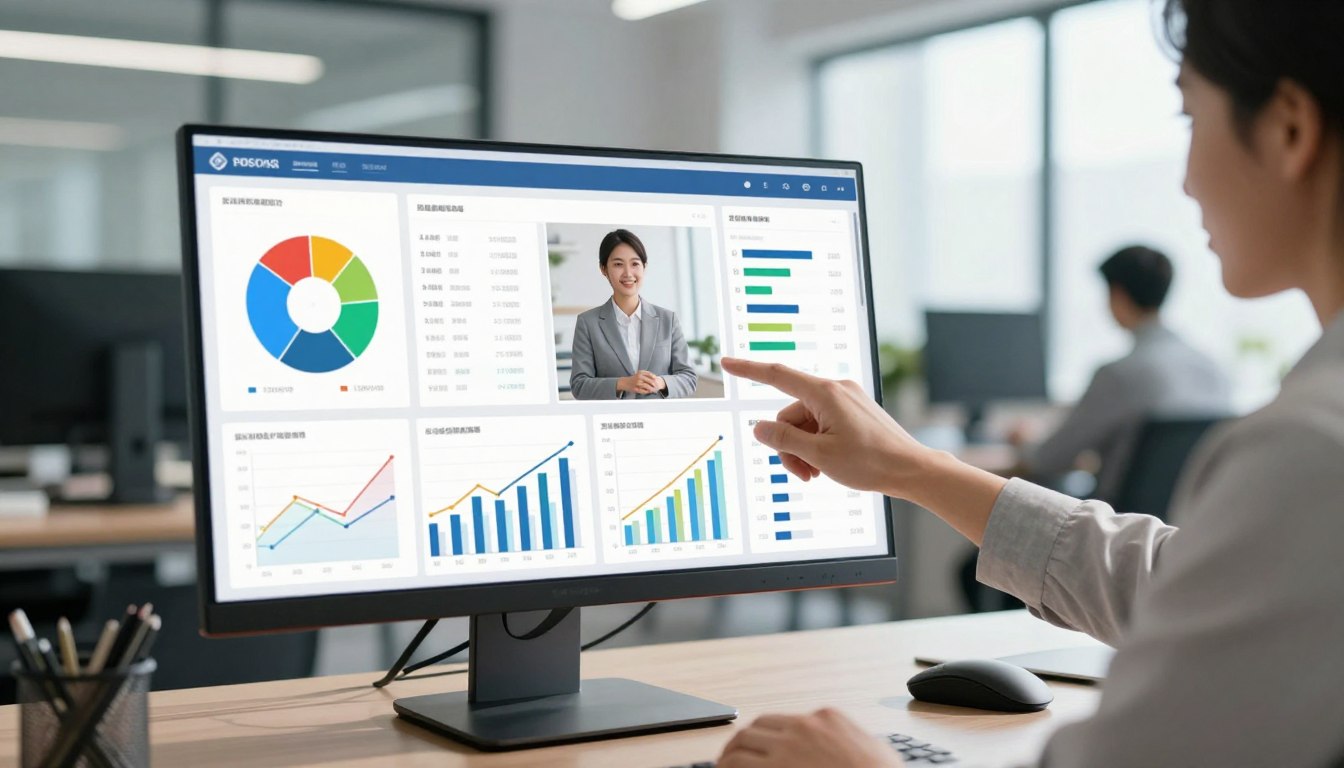
In today’s fast-paced world, leaders need clear information to guide their choices. Making confident decisions requires a solid foundation of facts and figures, which is why analytics tracking and reporting is so important. This is where powerful data tools become essential.
Consider the story of Sunstate Equipment. By using a sophisticated people analytics platform from Visier, they achieved a remarkable result. The company cut its employee turnover rate in half. This directly improved their business stability and culture.

The efficiency gains were just as impressive. What used to take a team five days to compile now happens in about two minutes. This transformation in data gathering frees up valuable time for analysis and action instead of manual reporting.
Mastering these disciplines provides a complete picture. You monitor daily operations while also spotting long-term trends. The combination delivers the strategic insights needed to optimize performance and drive growth.
Key Takeaways
- Data-driven decisions are crucial for modern leadership and competitive advantage.
- Advanced tools can solve major operational problems, like significantly reducing staff turnover.
- Efficiency in gathering information transforms workflows from days to minutes.
- Effective reporting supports daily oversight, while analytics provides long-term strategic intelligence.
- Understanding the difference between these fields helps you gain deeper insights into your operations.
- Integrating these systems ensures your team acts on accurate, real-time information.
Introduction to Reporting and Analytics
At the core of every data-driven operation lies a fundamental choice: are you looking backward to understand, or forward to predict? These two directions define the separate yet connected worlds of reporting and analytics. Mastering both is key for any modern business.
Defining Reporting and Its Role
Reporting is about the past. It summarizes historical data to show what happened. Think of monthly sales documents or staff attendance logs. These reports give you a clear snapshot of completed activity.
Their primary purpose is organized monitoring. You use them to track standard performance metrics. This creates a reliable record of events.
Understanding the Essentials of Analytics
Analytics interprets information to explain why events occurred. It goes beyond simple summaries to find patterns. This discipline uncovers meaningful trends and provides strategic insights.
The goal is to answer complex questions about causes. It then suggests what actions to take next. This forward-looking analysis drives planning.
Core Difference Between Reporting and Analytics
| Aspect | Reporting | Analytics | Example |
|---|---|---|---|
| Primary Purpose | Show what happened | Explain why it happened | Monthly revenue report |
| Time Focus | Historical | Predictive/Future | Last quarter’s data |
| Key Output | Structured summaries | Actionable insights | Root cause of a sales dip |
| Typical Users | Managers for oversight | Strategists for planning | Team leads vs. data scientists |
| Complexity | Standardized formats | Exploratory models | Pre-built dashboard vs. custom study |
The Role of Reporting in Business Operations
Operational clarity is achieved through structured documentation of past activities and outcomes. This discipline turns raw numbers into understandable summaries. For example, systems like Oracle Cloud ERP handle complex functions.
They manage accounting, procurement, and supply chains. Operational reports give a clear view of daily work. You see sales figures or inventory levels at a glance.
Key Benefits of Operational Reports
These documents are critical for any organization. They ensure teams stay aligned with core goals. You foster transparency across departments from marketing to finance.
Consistent data builds accountability. It lets you monitor performance metrics in real time. This helps spot areas for improvement early.
Different Types of Reporting Tools
Modern platforms offer various ways to visualize information. The difference between static and dynamic formats is key. Static reports are fixed summaries, like monthly PDFs.
Dynamic dashboards update live. They let users drill down into specific data layers. This flexibility supports better decision-making.
Common Reporting Tool Categories
| Tool Type | Best For | Core Advantage |
|---|---|---|
| Static Reports | Formal summaries & audits | Consistent, standardized format |
| Dynamic Dashboards | Real-time monitoring | Interactive visuals & filters |
| Self-Service Platforms | Ad-hoc user queries | User-driven data exploration |
Choosing the right type depends on your needs. Some tools track customer trends over time. Others provide instant insights for quick actions.
The Power of Analytics in Driving Insights
Uncovering the ‘why’ behind your operational results transforms simple facts into a roadmap for growth. This discipline digs into information to find root causes and future opportunities.
Exploring Data Patterns and Trends
You move beyond basic summaries to explore complex patterns. This reveals the underlying factors driving your marketing campaign effectiveness.
By analyzing these patterns, you gain deeper insights into customer behavior. This allows for more precise strategic planning.
Predictive and Prescriptive Analytics Explained
The four primary types of data examination answer specific questions. They are descriptive, diagnostic, predictive, and prescriptive.
Forward-looking examination doesn’t just predict the future; it helps you create it.
Four Types of Data Examination
| Type | Core Question | Primary Output |
|---|---|---|
| Descriptive | What happened? | Historical summaries |
| Diagnostic | Why did it happen? | Root cause analysis |
| Predictive Analytics | What is likely to happen? | Forecasts using statistical models |
| Prescriptive | What should we do? | Recommended actions for optimal outcomes |
Predictive methods use past data to forecast trends. Prescriptive analysis then suggests the best steps to take.
Leveraging Analytics Tracking and Reporting for Informed Decisions
The true power of information emerges when you connect historical facts with forward-looking intelligence.
Making Data-Driven Marketing and Business Decisions
This unified approach provides a solid foundation for your strategy. Sophisticated analytics deliver the strategic intelligence needed for growth.
Your marketing team can monitor customer engagement as it happens. This allows for swift adjustments to live campaigns.
Organizations using this blend take decisive actions. They rely on current, accurate data instead of intuition.
A seamless reporting pipeline delivers fresh information. Users from executives to managers stay aligned on key performance goals.
Ultimately, this capability defines top performers. It lets your business adapt quickly to make truly informed decisions.
Comparing Reporting and Analytics: A Side-by-Side Analysis
A clear side-by-side comparison is the best way to grasp the unique roles of these two disciplines. This analysis helps your team select the right method for each task.
Understanding the Core Differences
The primary difference lies in their core purpose. One function summarizes what already occurred. The other interprets that information to guide your next move.
Each answers distinct questions. The first asks, “What were our results?” The second digs deeper to ask, “Why did this happen, and what should we do next?”
Tool Complexity and User Audience
Software designed for summarization is often user-friendly. Operational managers use it for daily oversight. Tools for deep examination require more statistical skill.
Privacy rules like GDPR are a critical factor. Your chosen platform must have robust access controls. Modern interactive dashboards now bridge this gap.
They provide a single view with both historical summaries and live intelligence. This unified approach delivers immense value for your entire organization.
Reporting vs. Analytics: Key Distinctions
| Aspect | Reporting | Analytics |
|---|---|---|
| Primary Purpose | Document past performance | Drive future decisions |
| Time Focus | Historical review | Predictive foresight |
| Key Output | Standardized reports | Actionable insights |
| User Skill Level | Broad operational use | Specialized data analysis |
| Typical Tool Type | Static or dynamic dashboards | Advanced modeling platforms |
Recognizing these differences prevents a common mistake. You avoid using a simple tool for complex predictive work. This saves your business significant time and resources.
Building a Unified Data Strategy: Integrating Reporting and Analytics

analytics tracking and reporting
A truly effective data strategy moves beyond isolated tools to create a single, powerful source of truth for your entire company. This approach connects daily oversight with long-term planning. It breaks down departmental silos that hide valuable information.
Utilizing Dashboards for Real-Time Insights
Modern interactive dashboards are the central hub for this unified view. They display live metrics alongside historical summaries. Your marketing and operations teams see current performance in context.
This real-time access allows for swift, informed adjustments. Users can drill down from a high-level trend to specific transaction details. Everyone works from the same updated information.
Combining Historical Data with Advanced Examination
In a connected system, past trends feed directly into predictive models. Your platform automatically prepares this information for deep examination. This eliminates complex manual data cleaning.
You gain foresight into future business outcomes. Strategic planning becomes more accurate and agile. The entire organization benefits from this seamless flow.
analytics tracking and reporting
Siloed vs. Unified Data Approach
| Aspect | Siloed Data Approach | Unified Data Strategy |
|---|---|---|
| Data Access | Department-specific, restricted views | Centralized, governed access for all users |
| User Experience | Multiple logins, inconsistent formats | Single dashboard with cohesive visuals |
| Strategic Value | Limited to operational reporting | Enables predictive modeling and advanced insights |
| Compliance & Privacy | Manual, error-prone processes | Automated data anonymization and controls |
| Time to Insight | Slow, requires manual consolidation | Fast, with real-time data consumption |
Adopting a unified strategy transforms how your business uses information. It turns separate tools into a cohesive intelligence engine. This is the foundation for superior decision-making and a clear competitive edge.
Implementing the Right Tools for Your Organization
Your organization’s ability to act swiftly on intelligence depends heavily on the technology you deploy. The correct software stack turns raw facts into a competitive edge.
Choosing Self-Service Reporting Solutions
Tools like Orbit empower your team. They generate operational documents in real-time without IT support. This self-service approach accelerates access to vital information.
Prioritize solutions that guarantee data freshness and role-based security. This ensures your company stays compliant with strict privacy standards while keeping insights current.
Adopting Advanced Analytics Platforms
For deeper examination, move beyond standard summaries. Advanced platforms let you build sophisticated predictive models. They blend diverse data sources to uncover hidden patterns.
This depth supports strategic planning. Your team gains foresight into future outcomes, enabling more confident long-term decisions.
The differences between these tools are significant. Reporting platforms focus on structured presentation. Analytics systems prioritize exploration and modeling.
Selecting purpose-built solutions for each function ensures your business handles both daily pulses and long-range vision. Integrated systems empower your staff to take decisive actions based on reliable, well-governed data.
Enhancing Business Performance with Data-Driven Decisions

analytics tracking and reporting
The path to superior organizational performance is paved with decisions rooted in solid, actionable evidence. This commitment turns everyday information into a powerful engine for growth.
Improving Operational Efficiency
You boost efficiency by examining key operational metrics. Analyzing workforce trends shows how staffing impacts equipment use.
This data pinpoints bottlenecks in your processes. Your team can then reallocate resources to the right areas.
Strategic Planning and Long-Term Outcomes
Connecting people metrics to financial results via shared dashboards changes planning. It provides the insights needed for accurate forecasting.
Every strategic choice then adds measurable value to your organization. This forward-looking approach secures better long-term outcomes.
Your business stays agile and prepared for future challenges. You make informed decisions that drive real competitive advantage.
analytics tracking and reporting
Conclusion
Your company’s growth trajectory hinges on mastering two distinct yet interconnected data disciplines. Together, they provide a comprehensive view of your organization’s health with future potential.
Effective reporting builds the essential foundation of structured facts. These reports deliver clear summaries of past performance. Sophisticated analytics adds the predictive, diagnostic capabilities needed for strategic intelligence.
Understanding each unique purpose lets you invest in the right tools. This supports daily operational monitoring alongside long-term performance goals.
Organizations that successfully bridge this gap are better equipped. They gain deeper insights to make informed, data-driven decisions in a competitive market.
Ultimately, this synergy transforms raw information into actionable insights. It drives sustainable growth with operational excellence for your entire organization.
We encourage you to evaluate your current strategy. Ensure your team has the necessary tools for robust reporting and analytics in today’s business environment.
analytics tracking and reporting



Leave a Reply