
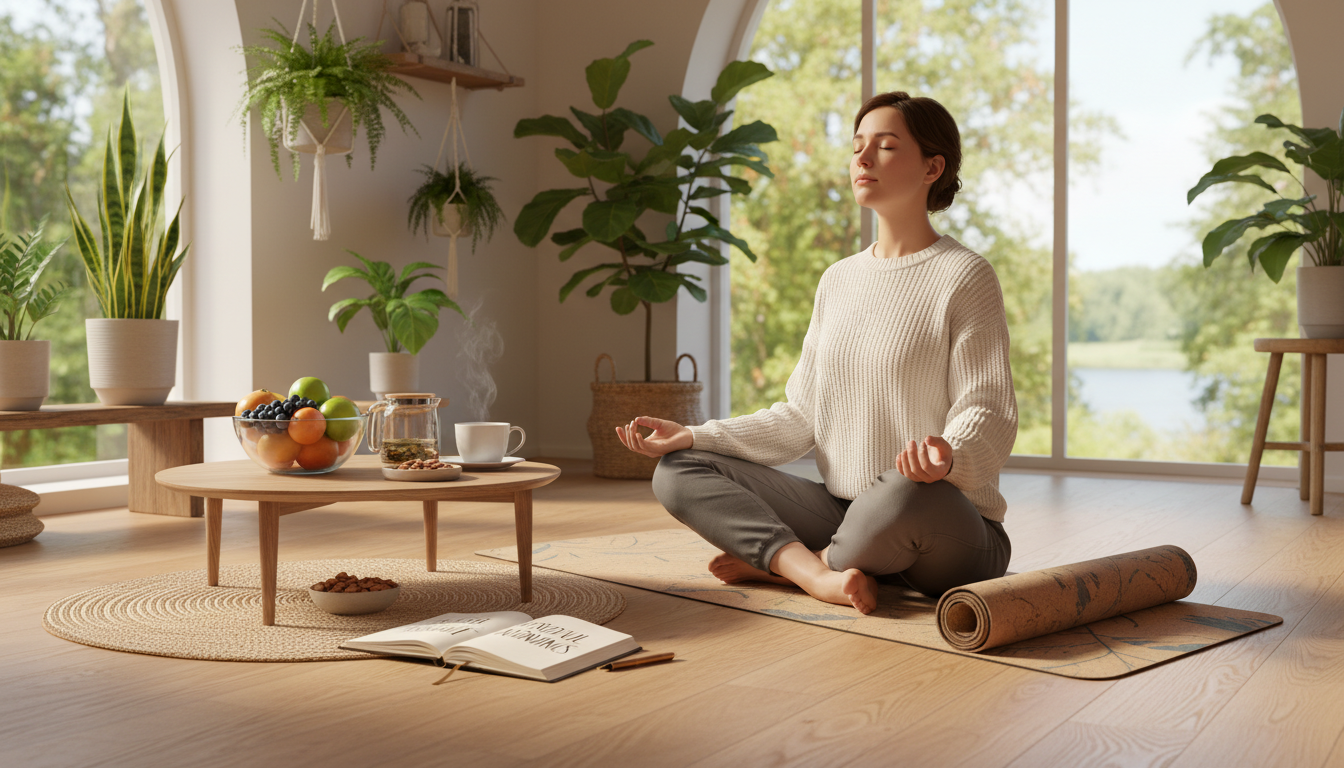
You are about to start a powerful wellness journey. This path leads to your best health and a more vibrant life. It’s built on small, daily choices that add up to big, lasting change.
True wellbeing is more than just not being sick. It is an active, positive state of whole-person health. It means thriving in body, mind, and spirit.


This guide gives you a clear, simple approach. You will get practical information and steps you can use right now. Our goal is to help you build habits that support your total health for the long term. These habits will enrich your daily life.
Key Takeaways
- Small, consistent actions create powerful, lasting improvements in your health.
- Well-being is an active pursuit of thriving, not just the absence of illness.
- Practical, research-backed strategies make optimal health achievable for everyone.
- Wellness is a dynamic process that integrates all aspects of your life.
- Building sustainable habits is the foundation for long-term vitality.
- Your environment and community play a key role in supporting your journey.
- Taking ownership of your choices leads to a more vibrant and fulfilling life.
Understanding the Foundations of Wellness
Your path to vibrant health is supported by a foundation laid down by ancient civilizations and modern thought leaders. This knowledge gives your journey deeper meaning and power.
Historical Roots and Ancient Origins
Great societies in India, China, Greece, and Rome understood holistic health. They practiced preventive care thousands of years ago. Later, 19th-century movements in Europe and America emphasized natural healing.
This rich history set the stage for modern wellness. Pioneering research by people like Halbert Dunn brought these ideas into the mainstream during the 1960s.
Defining Holistic Health and Its Dimensions
The Global Wellness Institute provides a key definition. It states wellness is “the active pursuit of activities, choices and lifestyles that lead to a state of holistic health.”
This means you are an active participant. True wellbeing involves multiple interconnected elements. These core terms include physical, mental, emotional, spiritual, social, and environmental dimensions.
Strengthening one area supports growth in others. This creates a complete and harmonious state of health.
The Wellness Continuum: Proactive vs. Reactive Approaches
Instead of waiting for symptoms to appear, what if you could build a life that actively resists disease? Your health exists on a spectrum. On one end is illness. On the other is optimal vitality.
Your daily choices determine where you stand. This powerful idea is known as the wellness continuum.
Wellness vs. Healthcare: Key Differences
Traditional medicine takes a pathogenic approach. It focuses on diagnosing and treating disease after it happens. You react to a problem.
True wellness is salutogenic. It is a proactive way of living. You create conditions for good health to thrive and prevent illness from taking root.
Embracing Preventive Self-Care
This shift puts you in the driver’s seat. You move from being a passive patient to an active participant. The sense of empowerment is profound.
Preventive care means building resilience today. Small, consistent actions form a solid foundation. They protect your future state of being and maximize your vitality.
This is the core of a vibrant wellness journey. You invest in yourself now to enjoy a richer, healthier life later.
Practical Strategies for Physical Wellness
Caring for your physical self unlocks energy and resilience for everything you do. This dimension of health is built on daily actions that honor your body and its needs for optimal functioning.
Incorporating Daily Exercise and Movement
Your fitness journey can start with just 30 minutes of exercise each day. You can break this time into short, 10-minute segments of activities you enjoy, like a brisk walk or dancing.
This consistent movement strengthens bones and muscles. It also dramatically cuts your risk of disease and boosts your energy. Simple choices, like taking the stairs, add powerful movement to your routine.
Balanced Nutrition and Sleep Routines
Your nutrition strategy matters. Focus on eating a colorful variety of healthy foods and practicing mindful portion control. A balanced diet fuels not just your body, but also your mind.
Prioritize sleep as a sacred pillar of physical health. Aim for 7-9 hours each night on a regular schedule. This allows your body to repair and rejuvenate fully.
Learn to recognize your body’s warning signs. This awareness helps you act early, maintaining your physical health and preventing minor issues from growing.
Boosting Mental and Emotional Wellness
Navigating your inner world with skill is just as vital as caring for your body. Your mental health and emotional wellness work together as inseparable partners. They shape your daily experience and overall resilience.
Stress Management and Mindful Practices
Begin by accepting all your feelings as valuable messengers. This sense of acceptance helps you evaluate your limits realistically. It is the foundation of strong emotional wellness.
Effective stress management transforms pressure into opportunity. You learn to respond with intention instead of reacting on impulse. Setting healthy boundaries is a key way to protect your energy and peace.
Engage your mind through continuous learning and creative expression. These activities provide a positive outlet for anxiety. They keep your cognitive abilities sharp and support your mental health.
Establish regular time for mindfulness practices like meditation or deep breathing. This creates crucial space between you and your stressors. It allows for thoughtful, calm responses.
Professional support and holistic self-care offer powerful ways to build resilience. Balance staying informed with deliberate screen-free periods. This protects your mind from overload.
During challenging times, return to the basics. Prioritize adequate rest, nourish your body regularly, and slow your pace. Remember, every emotion you feel is valid and part of being human.
| Stress Management Technique | Primary Benefit | Recommended Time |
|---|---|---|
| Deep Breathing Exercises | Quickly calms the nervous system | 5-10 minutes daily |
| Mindful Walking | Connects body and mind, reduces worry | 15-20 minutes daily |
| Gratitude Journaling | Shifts focus to positive aspects of life | 5 minutes daily |
| Progressive Muscle Relaxation | Systematically releases physical tension | 10-15 minutes daily |
Embracing Spiritual Wellness for Inner Peace
Discovering your spiritual core brings a profound sense of peace and direction to your daily life. This dimension of wellness is deeply personal. It connects you to the values and beliefs that give your existence meaning.
It goes beyond any single religion. True spiritual health is about your active involvement with principles that provide purpose. It helps you find meaning in every experience.
“The quieter you become, the more you can hear.”
Integrative Practices: Meditation and Reflection
Your journey is yours to design. Key activities like meditation and quiet reflection are powerful tools. They help you build inner resources and create harmony.
These practices allow you to examine your life experiences for deeper understanding. You learn to practice acceptance and approach your path with curiosity. This process clarifies your purpose.
Every person can find a method that resonates. The goal is to connect with your authentic self. This connection fosters lasting inner peace and balance.
| Spiritual Practice | Core Benefit | Ideal Frequency |
|---|---|---|
| Guided Meditation | Cultivates inner awareness and calm | Daily, 10-15 minutes |
| Reflective Journaling | Uncovers personal insights and meaning | 3-4 times per week |
| Mindful Nature Walks | Connects you with a greater sense of wonder | 15-30 minutes weekly |
| Contemplative Prayer | Deepens connection to personal faith or values | Daily, as desired |
By exploring these paths, a person strengthens their foundation. You align your daily actions with your core purpose. This is the heart of spiritual wellness.
Fostering Social and Community Wellness

Strong, supportive relationships are not just a source of joy. They are a fundamental component of a resilient and healthy life. This dimension of wellness focuses on how you connect with people and contribute to your world.
Building Supportive Relationships
You are biologically wired for connection. Honoring this need is essential for your emotional health. Your social network provides crucial emotional resources during tough times.
Focus on quality over quantity. A few deep, authentic bonds offer more than many shallow ones. Practice assertive communication and active listening with others.
Engaging in Community Activities
Your experience of belonging grows when you participate. Join clubs or groups that align with your interests. Engaging with your local community broadens your perspective.
It reminds you that you are part of something larger. Contributing to diverse communities creates a powerful sense of purpose. This active participation enriches your daily life.
To strengthen your social wellness, consider these practical steps:
- Make consistent efforts to connect with supportive people.
- Set healthy boundaries to protect your energy.
- Decide if you need advice or just a listening ear before reaching out.
- Create technology-free times for face-to-face interaction.
- Express gratitude to those who support you.
Cultivating Occupational and Intellectual Wellness
The hours you dedicate to your profession shape a significant part of your identity. The energy you invest in learning also affects your daily experience. This dimension focuses on finding deep satisfaction in your work and keeping your mind actively engaged.
Career Satisfaction and Work-Life Balance
Your occupational wellness flourishes when your work aligns with your core values. This transforms a job into a source of genuine personal enrichment. It’s crucial to identify workplace stress and practice effective conflict management.
Protect your personal time and health by setting clear boundaries. This prevents job pressures from spilling into every area of your life. Advocate for conditions that support your mental and physical well-being.
Lifelong Learning and Creative Growth
Your intellectual growth is fueled by a commitment to lifelong learning. Continuously expanding your knowledge and skills keeps your mind sharp and curious. Seek out new education opportunities, whether formal or self-directed.
Ask yourself honest questions to stay on track. Are you developing new capabilities? Are your activities providing real value? To actively cultivate this, you can:
- Practice open-mindedness and listen actively to diverse perspectives.
- Pick up hobbies that challenge you and build new skill sets.
- Express yourself creatively through writing, art, or other outlets.
- View each professional experience as a learning course.
When occupational and intellectual growth work together, each person builds a more resilient and fulfilling life.
Optimizing Environmental Wellness and Sustainable Living

The spaces you inhabit and the world you engage with form a powerful foundation for your daily vitality. This dimension connects your personal surroundings to the broader planet, shaping your health in profound ways.
Creating Healthy Living Spaces
Your immediate environment directly affects your mood and energy. You can create a healthy living space by optimizing natural light and reducing clutter.
Incorporate plants and design areas that feel safe and peaceful. Have honest conversations with others about your needs for quiet time and personal space. This care for your surroundings supports your overall well-being.
Connecting with Nature for Renewed Energy
You are intrinsically linked to the natural world. Your health flourishes when you prioritize time outdoors.
Breathe clean air in green spaces. Soak up sunshine for vitamin D and allow nature’s rhythms to restore you. These outdoor activities release endorphins, boosting mental clarity and physical vitality.
Your daily choices create ripples that impact both your life and the planet’s health. By living in harmony with your environment, you nurture yourself and others.
Conclusion
The power to shape your health and happiness lies firmly in your hands. This journey of wellness is an active, lifelong pursuit, not a final destination. Each day offers a chance to make choices that build your wellbeing.
You now understand that true health involves multiple elements working together. This research-backed information empowers a proactive way of living. It helps prevent illness and creates a buffer against disease.
Abundant resources and education are available to support you. Your personal wellness inspires others in your community, creating ripples of positive change.
Remember, small, consistent actions create powerful momentum. You have everything needed to build a vibrant state of being. Start today, and transform your tomorrow.
FAQ
What does “holistic health” really mean?
How is a wellness approach different from standard healthcare?
I’m busy. What’s one simple thing I can do for my physical health?
How can I start managing daily stress in a practical way?
What are examples of social or community well-being activities?
How do I create a healthier living environment at home?
BrighteonStore.com: Prepared. Protected. Empowered. That’s how wellness should feel.




Leave a Reply