
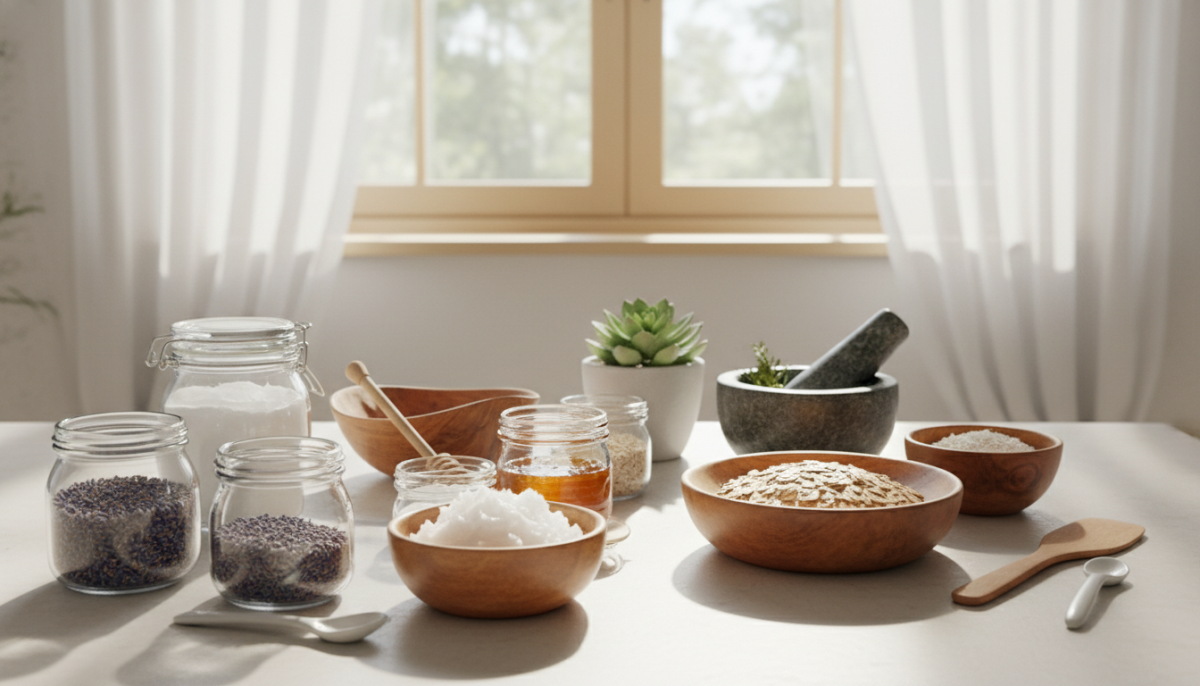
Have you ever stood in the skincare aisle, feeling overwhelmed by endless bottles with unpronounceable ingredients? You want what’s best for your skin, but the choices can be confusing and expensive. It’s a common feeling, a desire for simplicity and control over what you use every day.
Imagine knowing exactly what goes onto your skin. Picture creating personalized solutions right in your own kitchen. This journey is about empowerment. It’s about turning your home into a personal lab for healthy, radiant skin.
You don’t need a chemistry degree to start. Thousands of people are already making their own effective, affordable items. This guide is your first step. We will walk you through selecting simple ingredients and mastering basic techniques.
You can craft everything from soothing balms to rejuvenating face masks. This path leads to becoming a more conscious consumer. It saves money and becomes a deeply rewarding hobby. Let’s begin this creative adventure together.
Key Takeaways
- Taking control of your skincare routine is empowering and simplifies your choices.
- Creating your own products at home is an accessible hobby for anyone to learn.
- Homemade formulations allow you to know every ingredient that touches your skin.
- This approach is often more affordable than buying many commercial items.
- You can tailor every creation to meet your specific skin’s unique needs.
- Basic techniques are easy to master, requiring no special background or training.
- This journey can start with simple recipes and grow into a fulfilling practice.
Introduction to the World of DIY Natural Beauty
Visionary entrepreneurs like Elizabeth Arden started with simple home formulations before building empires. Helena Rubinstein and Estée Lauder followed similar paths. They mixed ingredients in their kitchens, driven by passion for effective formulations.
The Rise of Homemade Skincare
These pioneers transformed personal experiments into global brands. Their journeys demonstrate that creating skincare doesn’t require massive laboratories. Today, this tradition continues with modern enthusiasts.
There has never been a better time to explore homemade options. The movement has evolved from niche practice to mainstream acceptance. Consumers now seek transparency and customization in their routines.
What Sets DIY Beauty Apart
Creating your own products offers complete ingredient control. You can avoid questionable chemicals and animal testing. This approach aligns with personal values and sustainability goals.
Customization becomes your greatest advantage. You tailor each product to your specific skin type and concerns. Mass-produced items cannot match this personal touch.
The benefits extend beyond skincare itself. This practice saves money while developing a rewarding creative skill. It empowers you to become a more conscious consumer.
Embracing DIY Natural Beauty Techniques
When you examine the ingredient labels of store-bought cosmetics, you might be surprised by what you find. Many commercial formulations contain substances that haven’t undergone thorough safety testing.
Why You Should Consider Making Your Own Products
The Environmental Protection Agency reports over 10,000 ingredients in conventional hair and beauty items. Only 11% have been tested for safety. Chemicals applied to your skin enter your bloodstream almost directly.
Store-bought perfumes and cosmetics often trigger allergic reactions. They can cause asthma symptoms and chronic headaches. Some ingredients have been linked to serious health concerns.
Creating your own formulations offers significant advantages. You control every component that touches your body. This approach eliminates questionable chemicals and animal testing.
| Feature | Commercial Products | Homemade Creations |
|---|---|---|
| Ingredient Transparency | Limited disclosure | Full control |
| Safety Testing | Only 11% tested | You choose tested ingredients |
| Customization | One formula fits all | Tailored to your needs |
| Cost Effectiveness | Premium pricing | Affordable materials |
Personalizing Your Skincare Routine
Your skin has unique requirements that mass-produced items cannot address. Whether you have acne-prone, mature, or sensitive skin, homemade formulations provide targeted solutions.
The skinimalism trend emphasizes using fewer, multi-purpose items. Simple ingredient lists deliver better results without unnecessary fillers. You can create versatile products that serve multiple functions.
Start by identifying your primary concerns. Research which botanical oils and butters address your specific issues. This personalized approach ensures optimal results for your unique complexion.
Essential Ingredients for Homemade Skincare
Building your ingredient collection is the first step toward truly personalized skincare. The right components form the foundation of every effective formulation.
Start with versatile base oils that work for multiple products. Grapeseed and sunflower oil offer light textures perfect for the face. Heavier oils like avocado suit body applications better.
Understanding Essential Oils
Essential oils provide therapeutic benefits and aromatic qualities. Always dilute them properly before applying to your skin. Research each oil’s properties to match your skin type.
Lavender and tea tree essential oils work well for most skin types. Citrus oils offer brightening effects but require sun protection.
| Ingredient Type | Best For | Key Benefits | Fatty Acid Profile |
|---|---|---|---|
| Seed Oils | Face & Body | Nourishing, Anti-inflammatory | High in Linoleic Acid |
| Natural Butters | Body Creams | Rich Moisturization | Stearic & Oleic Acids |
| Essential Oils | Aromatherapy | Therapeutic Properties | Volatile Compounds |
| Botanical Extracts | Targeted Treatment | Specialized Benefits | Phytosterols |
Selecting Natural Butters and Botanical Extracts
Choose butters based on their melting points and texture. Shea butter works wonderfully for body creams. Cocoa butter creates firmer balms for specific skin needs.
Botanical extracts like chamomile offer calming properties. Himalayan pink salt provides mineral-rich exfoliation. These ingredients elevate basic formulations into targeted treatments.
Research each component’s fatty acid profile before blending. This ensures your final product delivers the intended benefits for your skin.
Step-by-Step Guide to Creating Your Own Beauty Products
Ready to transform your kitchen into a personal formulation lab? This guide walks you through each essential step for successful homemade creations.
Choosing a Simple Recipe
Start with anhydrous formulations—oil-based products without water. These recipes are perfect for beginners. They don’t require preservatives and have minimal contamination risk.
Look for easy make options using common kitchen ingredients. Body butters and lip balms are excellent starting points. Always follow proven recipe measurements exactly when beginning.

Mixing and Formulating Basics
Measure ingredients by weight, not volume, for accuracy. This ensures consistent results every time. Use kitchen scales and clean mixing bowls.
For powdered cleansers, combine components strategically. Start with the smallest percentages first. Gradually add larger amounts to ensure even distribution.
| Formulation Type | Difficulty Level | Equipment Needed | Preservation Required |
|---|---|---|---|
| Oil-Based (Anhydrous) | Beginner | Basic kitchen tools | No |
| Water-Based | Intermediate | pH strips, preservatives | Yes |
| Powdered Mixes | Beginner | Mixing bowls, scale | No |
| Emulsified Creams | Advanced | Stick blender, heat source | Yes |
Water-based formulations require additional steps like pH testing. Master oil-based recipes first before advancing. Document each creation to track what works best for your skin.
Crafting Body Butters, Balms, and Lip Care
The art of formulating your own body treatments combines science with personal creativity. You can create luxurious items that perfectly match your skin’s needs.
How to Make a Velvety Body Butter
A rich body butter requires only 5-6 ingredients. The key lies in balancing different oils and butters for optimal texture.
Whipping creates that light, velvety consistency your skin loves. You’ll need to chill and whip the mixture repeatedly. This process incorporates air for a fluffy result.
| Characteristic | Body Butter | Body Balm |
|---|---|---|
| Texture | Light & fluffy | Firm & translucent |
| Key Ingredients | Soft butters, oils | Hard butters, waxes |
| Melting Point | Lower | Higher |
| Best For | Daily moisturizing | Targeted protection |
DIY Lip Balms and Exfoliating Scrubs
Your lips need special care since their skin is incredibly thin. Chap lips result from dehydration, weather, or habits like lip licking.
Create protective balms with botanical oils instead of petroleum-based products. For solid stick balms, increase wax content for proper structure.
Gentle lip scrubs remove dry flakes without damage. Choose ingredients with soft exfoliating properties for safe results.
Formulating Face Masks, Cleansers, and Toners
The world of powdered cleansers and activated masks offers a fresh, innovative approach to facial care. These dry formulations give you ultimate control over texture and potency.
You can tailor each creation to your specific skin needs. This process is both simple and highly effective.
Creating Powdered Face Cleansers
Start with a base of gentle clays or oatmeal powder. Always wear a dust mask when mixing to avoid inhaling fine particles.
Incorporate essential oils by first blending them with a small amount of a carrier powder. This prevents clumping and ensures even distribution.
Storage is critical for powdered products. Use airtight, moisture-proof containers. This prevents microbial growth in ingredients like clay.
You can add peptides or marine extracts for targeted benefits. When mixed with water, these powders transform into a luxurious, foaming cleanse.
Mixing Activated Face Masks for a Spa-Like Experience
Create your own spa treatment with dry mask blends. Use ingredients like activated charcoal, superfruit powders, or dried herbs.
Activate the powder with water or a floral hydrosol just before application. Use a brush or your fingers to apply an even layer to your face.
Leave the mask on until it begins to set, but not fully dry. This allows the ingredients to work without pulling or irritating your skin. Use these treatments once or twice weekly for best results.
Formulating Refreshing Face Toners
Toners remain a vital step for balanced skin. They remove final traces of makeup and help restore your skin’s natural pH.
Create yours using beautifully-scented hydrosols. Rose, jasmine, or green tea hydrosols provide gentle cleansing and a refreshing feel.
This final step ensures your face is perfectly prepped for moisturizer. It’s a simple product with a powerful impact on your skin’s health.
Innovative DIY Recipes for Hair and Beyond
Extending your formulation skills to hair care opens up a world of customized styling and treatment options. You can create professional-quality products that address your specific hair type and concerns.
This approach gives you complete control over the ingredients, ensuring your hair receives only the best nourishment and protection.
Crafting Natural Hair Styling Waxes and Mists
Formulating a styling wax follows principles similar to making body butters. The key difference is a higher wax concentration for a firm hold that shapes your hair effectively.
For best results, use harder butters like cocoa butter. These have higher melting points, providing excellent hold while nourishing your hair, which is especially beneficial in dry winter air.
You can incorporate natural alternatives to silicones to add shine and smoothness without synthetic buildup. These recipes create a high-performance product that is gentle on your hair.
A hair mist is a versatile product for refreshing your style between washes. These water-based recipes can carry humectants and amino acids that add shine and help moisture penetrate the hair shaft.
For intensive care, a hot oil treatment using nourishing botanical oils can repair damage from sun exposure. You can also create beard oil blends infused with energizing scents like mint or calming scents like lavender.
Preservation, Safety, and Best Practices
Safety should be your top priority when formulating water-based products. Unlike items you consume internally, substances applied to your skin enter your bloodstream almost directly.
This makes proper formulation essential for your health. Your internal organs can filter toxins, but your skin offers little protection against improperly made creations.

Ensuring Product Safety and the Right pH Balance
All water-based products require broad-spectrum preservatives. This prevents harmful microbial growth that can cause serious skin infections.
Even items for personal use need proper preservation. The benefits of “preservative-free” formulations don’t outweigh the risks of contamination.
Testing and adjusting pH is equally important. The right balance ensures product safety and effectiveness. Use pH strips for accurate measurements.
Protect yourself during formulation. Wear suitable face protection when working with powders. Keep your hands clean and maintain a sterile workspace.
Develop a safety-first policy for your practice. Label all products with ingredients and dates. Perform patch tests before full application.
These care tips help you create safe, effective items for your skin and hair. Proper handling ensures your homemade products deliver their intended benefits.
Tips, Tricks, and Inspiration from Beauty Pioneers
The most successful beauty empires didn’t start in corporate labs but in humble kitchens where passion met experimentation. You can draw inspiration from these trailblazers to enhance your own formulation journey.
Learning from Industry Innovators and Historical Trends
Elizabeth Arden, Helena Rubinstein, and Estée Lauder began with simple kitchen experiments. Their global success shows that exceptional beauty products often start as personal projects.
You don’t need to build an empire to benefit from their wisdom. Apply their principles to create outstanding products for daily use. These items make thoughtful gifts for loved ones too.
Start by developing a signature product that becomes your hero item. Build a complementary list of formulations that work together. This approach creates a cohesive routine people enjoy every day.
Balance innovation with practicality. Sometimes basic ingredients create the most effective ones. Focus on formulations that deliver consistent results day after day.
This creative skill gives you independence and control over your self-care. View your journey as part of a proud tradition of innovation in the beauty industry.
Conclusion
Creating personal care items at home transforms how you approach your daily routine. This journey empowers you with complete control over every product you use.
You don’t need formal training to succeed. Thousands have mastered these skills from their kitchens. The comprehensive list of formulations you can create grows with time.
Start with simple sugar scrubs and body butters. Progress to advanced makeup alternatives and hair treatments. Multiple ways exist to customize each recipe.
Your skincare practice becomes a creative outlet that saves money. It reduces exposure to questionable chemicals found in commercial beauty products.
Begin with one formulation from this guide. Master it through practice. Then expand your repertoire as confidence grows.
This DIY approach represents the ultimate in conscious consumerism. You join a community reshaping personal care, one homemade recipe at a time.




Leave a Reply