
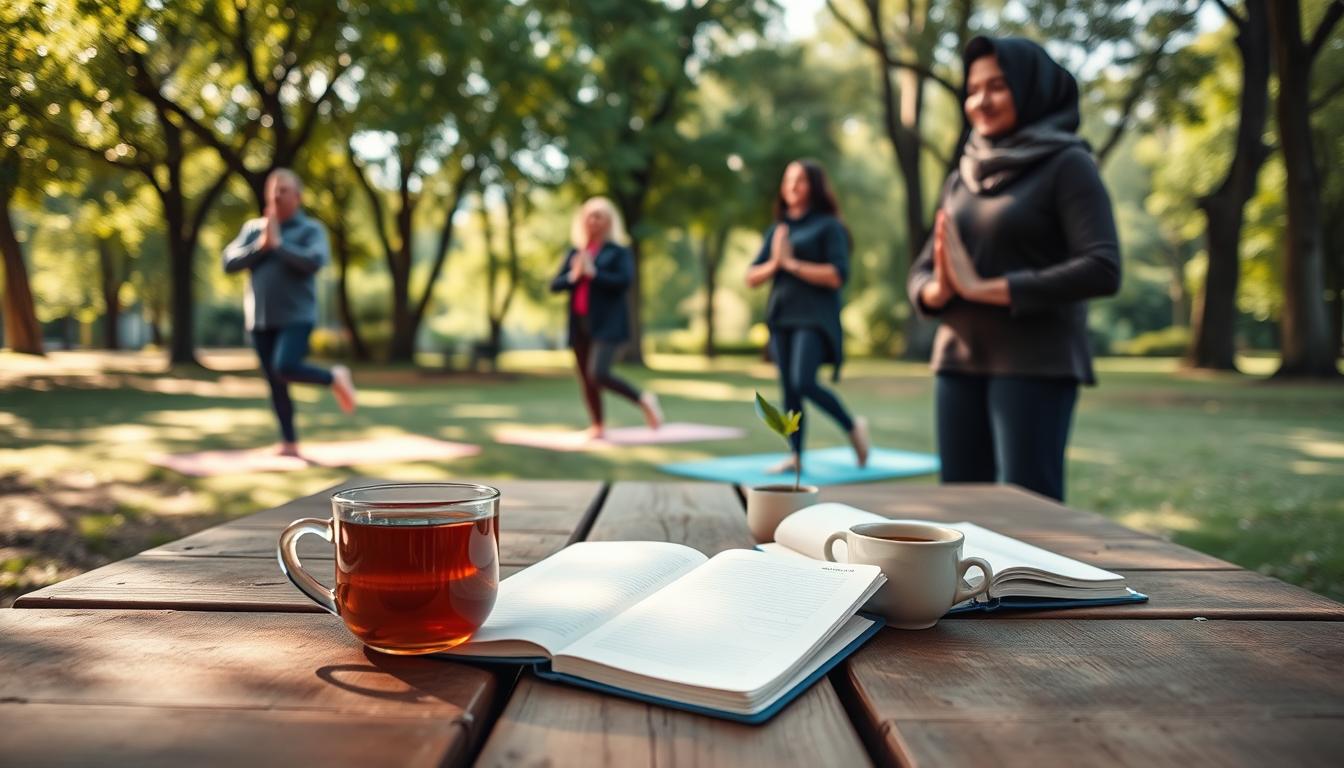
You wake up with a knot in your stomach, feeling behind before the day starts. Your mind races with endless tasks, and your shoulders tense up. You’re not alone in this feeling.
Stress is a normal part of life, but you don’t have to let it control you. The Mayo Clinic says effective stress relievers can bring calm to your busy life. You don’t need to spend hours on it.
It’s important to know when stress becomes a big problem. The CDC warns that long-term stress can harm your health. This guide will show you practical, proven stress management techniques that fit into your life easily.
You deserve to take back control of your health. The strategies we’ll share will help you manage stress with confidence and clarity.
Key Takeaways
- Stress is a normal part of life, but chronic stress requires daily management to prevent serious health problems
- Effective stress relief doesn’t require hours of time—simple techniques can bring quick calm and peace
- You have the power to transform your relationship with stress through proven, actionable strategies
- Managing stress protects both your mental and physical well-being for long-term health
- The right stress management approach fits naturally into your existing lifestyle and daily routine
Understanding Stress: Causes and Effects
Everyone feels stress in their own way. Knowing how you react to stress can help you manage it better. By understanding what causes you stress, you can handle it more effectively.
Learning to deal with stress starts with seeing it as a signal, not a problem. By exploring stress causes and effects, you gain valuable knowledge. This knowledge helps you make lasting changes.
Your Body’s Natural Alarm System
Stress is how your body and mind react to new or tough situations, says the CDC. It can come from work, school, health, or relationships. This response is not a flaw but a ancient survival mechanism that has protected humans for thousands of years.
When faced with a demanding situation, your body acts fast. Hormones like cortisol and adrenaline prepare you for the “fight or flight” response. Your heart beats faster, muscles tense, and senses become sharper.
This amazing reaction helped your ancestors escape dangers and survive. Today, it helps you meet deadlines, perform well in presentations, and handle unexpected challenges. The difference is that today’s stressors rarely need physical action, yet your body reacts the same way.
The CDC says stress can show up in many ways in your life. You might feel fear, anger, sadness, worry, numbness, or frustration. These feelings often come with physical changes that affect your wellbeing.
Stress can make you feel tired, change your appetite, or affect your interests. It can make it hard to focus and make decisions. Sleep problems, like nightmares or insomnia, are common during stressful times.
Physical reactions to stress are also common. You might get headaches, body pains, stomach issues, or skin rashes. Chronic health problems and mental health issues often get worse under stress, creating a tough cycle to break.
What Triggers Your Stress Response
Your stress triggers are unique, like your fingerprint. What stresses one person might energize another. Knowing your specific stressors is key to finding effective ways to cope.
The NHS says feeling out of control is a big cause of stress. This insight is important for managing stress.
Common stress triggers include:
- Work-related pressures: Tight deadlines, heavy workloads, job insecurity, conflicts with colleagues, or lack of control over your tasks
- Financial concerns: Debt, unexpected expenses, insufficient income, or worries about future financial stability
- Relationship challenges: Family conflicts, communication breakdowns, divorce, or difficulties maintaining healthy connections
- Health issues: Chronic illness, injury, caring for sick loved ones, or concerns about your physical wellbeing
- Major life changes: Moving, starting a new job, losing a loved one, getting married, or having a child
- Daily hassles: Traffic congestion, technology problems, time pressure, or minor annoyances that accumulate throughout your day
Knowing what triggers your stress helps you tackle it proactively. When you’re aware of what’s coming, you can prepare mentally and emotionally. This reduces the impact of stressors on your life.
The Critical Difference Between Temporary and Persistent Stress
Not all stress is the same. Knowing the difference between short-term and long-term stress helps you respond better and protect your health. Acute stress—the temporary kind you feel before a presentation or during a job interview—is actually beneficial in many situations.
This brief stress response motivates you to perform at your best. Your body releases hormones to sharpen your focus and energize your efforts. Once the situation passes, your system returns to normal relatively quickly, allowing you to recover without lasting effects.
Chronic stress tells a different story. When pressure becomes constant, it takes a serious toll on your health. Your body wasn’t designed to stay in a heightened alert state forever.
Chronic stress hits harder than just feeling a bit out of whack. Your sleep gets wrecked, so you wake up feeling like a zombie even after a full night. Your stomach starts acting up and your appetite can go all over the place. Plus, your immune system takes a hit, which means you’re way more likely to catch something.
Perhaps most concerning, chronic stress significantly impacts your cardiovascular health. The persistent elevation of stress hormones increases your risk of heart disease, high blood pressure, and other serious conditions. The CDC reports that increased use of alcohol, drugs, and other substances often accompanies chronic stress as people seek relief.
You might notice behavioral changes too. Irritability becomes your default mood. Concentration feels impossible. Simple decisions become overwhelming challenges. These patterns show that your stress is no longer manageable. It has become harmful. It’s time to implement proven stress coping strategies.
Recognizing these patterns empowers you to take action before stress becomes debilitating. Remember, experiencing stress doesn’t mean you’re weak or failing. It means you’re human. It signals that you’re ready to transform your relationship with stress. You can do this through the powerful techniques you’ll discover in this guide.
The Importance of Stress Management
Every day you spend managing stress is a day invested in becoming healthier. It also contributes to a happier and more resilient version of yourself. When you prioritize effective stress management, you’re not simply avoiding discomfort. You’re actively constructing a foundation for extraordinary well-being. This foundation touches every aspect of your life. The ripple effects of managing stress go beyond temporary relief. They create lasting positive changes in your physical health. They improve your mental clarity and emotional stability.
According to the Mayo Clinic, physical activity can pump up your feel-good endorphins. It can also increase other natural neural chemicals that boost your sense of well-being. Meditation can give you a sense of calm, peace, and balance. This helps both your emotional well-being and your overall health. These concepts aren’t abstract. They are real and measurable improvements you can experience. This occurs when you commit to stress management tips that fit your lifestyle.
The CDC emphasizes that managing stress daily can prevent you from developing long-term stress. Learning to cope in a healthy way can help reduce your stress levels significantly. Taking small steps in your daily life can manage stress effectively. These small steps can have a big impact on your overall quality of life. They can also improve your longevity.
Benefits of Effective Stress Management
When you invest time and energy into managing stress, you gain numerous benefits. These benefits transform your daily experience. Your body and mind work together more harmoniously, creating a positive feedback loop that reinforces your well-being. The advantages of consistent stress management practices extend into every corner of your life.
Your mental clarity sharpens when stress isn’t clouding your thoughts, leading to better decisions, creative problem-solving, and longer focus. This cognitive improvement enhances work performance. It also fosters more meaningful conversations with loved ones. You will be able to pursue your passions and goals.
The emotional benefits are equally profound. You’ll notice yourself responding to challenges with greater calm and perspective instead of reacting impulsively. Your relationships deepen as you bring your best self to interactions with family, friends, and colleagues. You become more present in the moment, able to savor life’s pleasures instead of being perpetually distracted by worries.
Consider these remarkable benefits you can experience:
- Enhanced immune function that makes you more resistant to illness and helps you recover faster when you do get sick
- Improved cardiovascular health as your blood pressure stabilizes and your heart operates more efficiently
- Better sleep quality that allows your body and mind to repair and rejuvenate each night
- Increased physical energy that helps you accomplish your goals and enjoy activities you love
- Greater emotional stability that strengthens your relationships and helps you navigate life’s ups and downs
- Enhanced creativity and problem-solving abilities that flourish when anxiety isn’t clouding your mind
- Improved digestion and metabolism that supports healthy weight maintenance
- Better skin appearance as stress-related inflammation decreases
Perhaps most importantly, effective stress management builds resilience—the psychological strength that helps you bounce back from setbacks. You begin to view challenges as opportunities for growth instead of insurmountable obstacles. This shift in perspective alone can revolutionize how you experience life’s inevitable difficulties.
How Stress Impacts Your Health
Understanding how stress affects your body is key to seeing why stress management tips are so important. Chronic stress doesn’t just make you feel uncomfortable—it actively damages multiple systems in your body. The effects cascade through your physical, mental, and emotional health in ways that can become increasingly serious over time.
Your cardiovascular system bears a heavy burden under chronic stress. This condition leads to increased heart rate and blood pressure. It also causes constricted blood vessels. Over time, this high-alert state can cause serious heart issues. It can weaken your immune system. You become more susceptible to infections and slower to heal from injuries.
Your digestive system
Stress dramatically affects your digestive system, causing stomach pain, nausea, appetite changes, and digestive disorders. Your body’s stress response redirects resources away from digestion during emergencies. It views digestion as non-essential, which can significantly impact your gastrointestinal health over time.
The following table illustrates the stark contrasts between managed and unmanaged stress across key health dimensions:
| Health Dimension | With Effective Stress Management | Without Stress Management |
|---|---|---|
| Sleep Quality | Deep, restorative sleep cycles with 7-9 hours of uninterrupted rest | Disrupted sleep patterns, insomnia, frequent waking, and persistent fatigue |
| Immune Function | Strong resistance to illness, faster recovery, and optimal healing capacity | Frequent infections, prolonged illness duration, and compromised immune response |
| Mental Clarity | Sharp focus, enhanced memory, and improved decision-making abilities | Brain fog, memory problems, difficulty concentrating, and poor judgment |
| Emotional State | Balanced mood, emotional resilience, and healthy relationship interactions | Anxiety, irritability, mood swings, and strained personal connections |
| Physical Energy | Sustained vitality throughout the day with natural energy rhythms | Chronic exhaustion, muscle tension, headaches, and physical depletion |
Your mental health suffers profoundly under unmanaged stress. Anxiety and depression rates increase significantly among those experiencing chronic stress. Your ability to concentrate diminishes, memory problems emerge, and the risk of developing serious mental health conditions rises substantially.
The good news is that these effects are largely reversible. Implementing effective stress management strategies helps your body heal almost immediately, normalizing blood pressure and strengthening the immune system. Every small step toward managing stress creates positive momentum over time.
The impact on your longevity cannot be overstated. Chronic stress accelerates aging at the cellular level, affecting your DNA and shortening your lifespan. Conversely, effective stress management can add years to your life while enhancing your vitality and joy. You’ll not only live longer—but better—with more energy throughout your extended years.
Recognizing Your Stress Symptoms
Understanding stress starts with knowing how it affects you. Your body and mind send signals about your wellbeing. But, these messages can be easy to miss in our busy lives.
Learning to recognize these signs is key to managing stress. When you know what stress looks like for you, you can act fast. This self-awareness helps you take control of your wellbeing.
Physical Signs of Stress
Your body shows clear signs when stress gets too high. The CDC says physical reactions to stress are many and important. They act as your early warning system.
Headaches and muscle tension often show up first. You might feel your neck, shoulders, and jaw tighten. These discomforts can make it hard to focus.
Digestive problems are common when stressed. You might feel stomach pains, nausea, or changes in appetite. Your gut is very sensitive to your emotions.
Stress weakens your immune system, leading to frequent colds and infections. You might catch every bug or feel sick longer than usual. Skin issues like rashes or breakouts also signal distress.
Other physical signs include:
- Chest tightness or rapid heartbeat that feels alarming
- Persistent fatigue that sleep doesn’t relieve
- Trembling hands or unexplained body aches
- Changes in energy levels throughout the day
- Worsening of chronic health conditions
Emotional and Behavioral Signs
Stress also affects your emotions. The NHS says recognizing your problem is the first step to feeling better. Your feelings tell you a lot about your stress levels.
Mood changes often signal rising stress. You might feel irritable, sad, or anxious. The CDC notes that feelings of fear, anger, worry, or frustration are common stress responses.
Cognitive changes also happen. Trouble concentrating, making decisions, or memory lapses show your mind is stretched thin. You might find yourself rereading the same paragraph or forgetting appointments.
Behavioral patterns shift under stress:
- Withdrawing from social activities you once enjoyed
- Procrastinating on important tasks
- Changes in sleep patterns—insomnia or oversleeping
- Increased use of alcohol, tobacco, or other substances
- Eating significantly more or less than usual
Some people feel emotional numbness or lose interest in things they usually enjoy. Others become indecisive or cry more easily. These changes show your system trying to cope with too much.
Identifying Personal Stressors
Being your own detective of stress patterns is powerful. Stress management that works for everyone else might not work for you. Your triggers are unique to your life, personality, and experiences.
Start by tracking your stress responses for a week. Notice when symptoms get worse—times of day, situations, people, or tasks. This helps turn vague anxiety into specific challenges you can tackle.
A simple stress journal helps identify patterns. Write down what happened before you felt stressed, how your body reacted, and your emotions. You might find that Sunday evenings or certain coworkers make you anxious.
Common personal stressors include:
- Work demands like deadlines, conflicts, or unclear expectations
- Financial pressures and concerns about money
- Relationship challenges with family, friends, or partners
- Health worries about yourself or loved ones
- Major life transitions like moving, job changes, or loss
Knowing your triggers lets you take targeted action. You can develop specific strategies to address them. This moves you from reactive coping to proactive management.
| Stress Category | Physical Symptoms | Emotional/Behavioral Symptoms | Action Step |
|---|---|---|---|
| Acute Stress | Rapid heartbeat, sweating, tension headaches | Anxiety, irritability, difficulty concentrating | Practice immediate breathing exercises |
| Chronic Stress | Persistent fatigue, frequent illness, digestive issues | Depression, social withdrawal, sleep problems | Develop a stress management plan |
| Environmental Stress | Muscle tension, skin problems, immune weakness | Overwhelm, hopelessness, emotional numbness | Modify surroundings and set boundaries |
| Relationship Stress | Chest tightness, appetite changes, body aches | Anger, sadness, avoidance behaviors | Strengthen communication and seek support |
Recognition is not about judgment or criticism. Approach your stress symptoms with curiosity and compassion. Each signal your body sends is valuable information guiding you toward better balance and health.
Mindfulness Techniques for Stress Relief
Mindfulness is a great way to start your journey to stress relief. It helps you stay in the present moment and forget worries about the past or future. These stress management techniques give you tools to handle daily stress better. By practicing mindfulness, you can find peace and calm in your life.
Mindfulness is easy to start with. You don’t need fancy tools or special training. Just be willing to pause, breathe, and focus on the now.
Discovering the Power of Present-Moment Awareness
Mindfulness is about paying attention to what’s happening right now. It’s noticing your thoughts, feelings, and body sensations without getting caught up in them. This simple change can make you feel less stressed and happier.
When you practice mindfulness, you learn to respond, not react. You create a space to choose how to react to challenges. This is your chance to take control instead of letting stress control you.
The Mayo Clinic says meditation can calm your mind and reduce stress. It helps you feel more peaceful and balanced. With regular practice, you’ll start to notice big changes in how you feel.
Building Your Meditation Practice
Mindfulness meditation is a great way to manage stress. Start with just five minutes a day and grow your practice as you get more comfortable. The most important thing is to keep doing it regularly.
Start by sitting comfortably with your eyes closed. Focus on your breath. If your mind wanders, gently bring it back to your breath. Remember, it’s okay if your mind drifts.
There are many meditation styles to try and find what works best for you:
- Guided meditations: Use apps or online resources with soothing narration that walks you through the process step by step
- Body scan practice: Systematically bring awareness to each part of your body, releasing tension as you progress from head to toe
- Loving-kindness meditation: Cultivate feelings of compassion for yourself and others, reducing stress through connection
- Walking meditation: Transform your daily stroll into a mindfulness practice by focusing on each step and sensation
- Mindful eating: Turn mealtime into meditation by fully experiencing tastes, textures, and aromas
These stress management exercises can be done anywhere, anytime. You can meditate while commuting, waiting, or even doing chores. Every moment is an opportunity to practice mindfulness.
Harnessing Your Breath for Instant Calm
Breathing exercises can instantly calm you down, no matter where you are. They activate your body’s natural relaxation response. You’ll feel your heart rate slow down and tension ease.
The CDC says deep breathing is a simple yet effective way to relax. You can do it anywhere, making it a portable tool for stress relief. Use your breath to anchor yourself during stressful situations.
Try these breathing techniques for quick calm:
- 4-7-8 Technique: First, breathe in through your nose for four counts. Next, hold your breath for seven counts. Then, exhale through your mouth for eight counts. Repeat four times.
- Box Breathing: Inhale for four counts, hold for four counts, exhale for four counts, hold for four counts. Continue for several minutes.
- Diaphragmatic Breathing: Place one hand on your chest and one on your belly. Breathe deeply so your belly rises while your chest stays relatively steady.
- Alternate Nostril Breathing: Close your right nostril. Inhale through the left. Then, close the left nostril and exhale through the right. Alternate for five minutes.
These stress management techniques bring instant calm. They’re simple and don’t require any special equipment. Practice them daily to build your relaxation response and find peace in stressful moments.
Remember, your journey to stress-free living is not always easy. Some days will be better than others. But every experience teaches you something valuable. Keep showing up for yourself, breath by breath, moment by moment.
Exercise: A Natural Stress Reliever
Your body was made to move, and that movement is key to stress relief. Physical activity is a natural way to reduce tension and anxiety. It works for everyone, whether you’re an athlete or haven’t exercised in years.
Exercise is easy to start. You don’t need fancy gear or a gym membership. Every bit of movement counts, from walking to dancing at home.
The Science Behind Physical Movement and Stress Reduction
When you exercise, amazing things happen in your body and brain. Your body releases endorphins, which make you happy and reduce pain. These “feel-good” hormones act like natural stress medicine.
Exercise also lowers cortisol and adrenaline, the stress hormones. This change calms your nervous system and balances your body.
Physical activity boosts blood flow to your brain, making you think clearer. It distracts you from worries, letting stressful thoughts fade away.
The Mayo Clinic says almost any physical activity can help with stress. Moving your body improves your mood and helps you forget daily irritations.
Movement Options That Melt Away Tension
The best exercises are the ones you enjoy. Focus on fun, not stress. Choose activities that make you happy.
Aerobic activities are great for stress relief:
- Brisk walking or jogging engages your whole body in rhythmic movement
- Swimming provides gentle, full-body exercise with meditative qualities
- Cycling allows you to explore outdoors while building cardiovascular health
- Dancing combines music, movement, and joy in one activity
Mind-body practices offer unique stress relief benefits. Yoga combines physical postures with breathing and mindfulness. Tai chi uses slow movements for balance.
Strength training builds muscle and boosts confidence. Even simple activities like gardening or playing with kids help.
Making Movement Part of Your Everyday Routine
Adding exercise to your daily life is easy. Start small and build up. The CDC suggests 20-30 minutes daily for 2½ hours a week.
Here are simple strategies to move more:
- Park farther from building entrances to accumulate extra steps throughout your day
- Choose stairs over elevators whenever possible
- Schedule walking meetings instead of sitting in conference rooms
- Use your lunch break for a quick workout or walk
- Keep workout clothes in your car so you’re always prepared for spontaneous activity
Make exercise appointments with yourself as important as any meeting. Schedule it and stick to it. Having a fitness buddy makes it more fun.
Even ten-minute movement breaks help a lot. They boost your energy and mood. The NHS says exercise won’t erase stress but makes it less intense.
Begin today with a five-minute walk or some stretching. Every small step leads to a more active, stress-free life.
Nutrition and Stress Management
What you eat every day can either help or hurt your stress levels. Eating well is more than just filling your belly. It’s about giving your body the right stuff to handle stress and stay balanced.
Learning about this link can be a game-changer. It turns food into a powerful tool for fighting stress and keeping your mind healthy.
The Role of Diet in Stress Levels
Your brain needs good food to work its best. Every thought and feeling needs certain nutrients from your diet. When you eat well, your mood stays steady and you avoid energy crashes.
The Mayo Clinic says eating healthy is key to taking care of yourself. They suggest meals rich in fruits, veggies, and whole grains to help your body handle stress.
Bad eating habits can create a vicious cycle. Stress makes you want unhealthy foods, which then makes you feel more stressed. Your body can’t calm down or think clearly when it’s not fed right.
The CDC also talks about the importance of a healthy diet. They recommend foods like fruits, veggies, lean proteins, and whole grains. Avoid foods high in unhealthy fats, salt, and sugar, as they can make stress worse.
Good nutrition helps you stay calm and focused. Eating right builds your inner strength, helping you face challenges head-on.
Foods to Avoid When Stressed
Some foods can make stress symptoms worse. Knowing which ones to avoid helps you make better choices for your well-being.
Caffeine is a big stress maker. While it gives you a morning boost, too much can make you anxious and disrupt sleep. Try green tea for a gentler pick-me-up.
The NHS warns against using alcohol, smoking, and caffeine to cope with stress. They might seem to help, but they can cause more problems later.
Alcohol is another thing to watch out for. It might seem relaxing, but it messes with your sleep and can make you more anxious. The CDC suggests drinking in moderation or not at all.
Other foods to cut down on when stressed include:
- Refined sugars and processed carbs that can make you feel tired and cranky
- Too much salt that can raise your blood pressure and make you tense
- Fried and processed foods that lack nutrients and can cause inflammation
- Energy drinks that mix caffeine with sugar, making stress worse
It’s not about deprivation. It’s about choosing foods that help you manage stress better.
Stress-Reducing Foods to Include
Focus on foods that help your body fight stress. These foods give your brain and body what they need to stay calm and strong.
Complex carbs like whole grains, oatmeal, and sweet potatoes help keep your mood steady. They give you energy without the blood sugar swings that stress you out.
Fatty fish like salmon, mackerel, and sardines are great for your brain. They reduce inflammation and help you handle emotions better.
Make your meals stress-fighting by focusing on these foods:
- Leafy greens and colorful veggies that give you magnesium for calm
- Nuts and seeds for healthy fats, protein, and stress-fighting minerals
- Fermented foods like yogurt and sauerkraut for gut health and mental well-being
- Herbal teas like chamomile for calm and hydration
- Dark chocolate in small amounts for mood boosts
Every meal is a chance to build your stress resilience. By choosing nourishing foods, you’re not just eating—you’re supporting your body’s ability to handle stress.
These stress management tips about food give you control over your well-being. Start small, adding stress-reducing foods to your diet, and see how your body responds with more energy and better mood.
Building a Strong Support System
The people in your life are more than just friends—they’re your allies in fighting stress. Humans are wired to connect, and your relationships are key when times get tough. Studies show that having people you can count on changes how your body handles stress.
When you share your worries with trusted ones, big problems seem smaller. This connection gives you the emotional boost you need to keep going. Yet, many people pull away when stress hits, cutting off the support they need to heal.
Choosing to connect instead of isolate is a powerful stress coping strategy. Your support system is the backbone that helps you face life’s storms with hope and resilience.
Why Social Support Matters
Social connections offer more than just good company. They provide emotional comfort, advice, and different views on your stress. Understanding these benefits can motivate you to prioritize relationships even when you’re overwhelmed.
Your support network offers emotional comfort that validates your feelings. The Mayo Clinic says even one good friend can make a big difference in handling stress. This support helps you deal with tough emotions instead of bottling them up.
Connections also offer practical help through advice and new perspectives. The NHS notes that talking things over with a friend can help find solutions you might miss. Sometimes, others can see things more clearly than you can.
Social contact is also a natural stress reliever. It offers a break from worrying and brings joy. The CDC suggests connecting with community or faith groups as part of managing stress.
Here are the key benefits of strong social connections:
- Emotional validation that acknowledges your struggles and provides comfort
- Practical guidance through advice and problem-solving assistance
- Positive distraction that breaks cycles of worry and negative thinking
- Accountability support that helps you follow through on wellness commitments
- Increased resilience that helps you bounce back from setbacks more quickly
Strengthening Your Relationships
Building meaningful connections doesn’t need grand gestures. Small, consistent actions show care and build lasting relationships. The key is regular engagement that shows people they matter to you.
Stay in touch with friends and family regularly, not just when you need something. Send texts, make calls, or plan coffee dates. These small actions keep connections alive even when life gets busy.
Practice active listening when others share with you. Put away your phone, make eye contact, and really listen. Give them the same attention you hope to get when you need support. This care strengthens bonds over time.
Here are practical ways to strengthen your support network:
- Schedule regular contact with your closest friends and family members
- Show genuine appreciation by expressing gratitude for specific ways people help you
- Share authentically about your struggles instead of pretending everything is perfect
- Offer support to others to create reciprocal relationships where everyone feels valued
- Join interest-based groups like book clubs, volunteer organizations, or sports teams
- Prioritize important relationships even when your schedule feels overwhelming
Vulnerability is key in deepening connections. Sharing your true feelings and struggles lets others do the same. This openness builds the trust needed for meaningful support during stressful times.
When to Seek Professional Support
While friends and family are invaluable, sometimes you need professional help. Seeking therapy or counseling is a sign of strength, not weakness. Recognizing when you need expert guidance is an important part of effective stress management.
The Mayo Clinic advises seeking professional counseling if new stressors are too much. Seek help if self-care isn’t working. Look for professional advice if you feel overwhelmed. Mental health professionals offer perspectives and techniques that friends may not have.
Consider reaching out to a therapist, psychologist, or counselor if you experience any of these situations:
- Your stress feels unmanageable despite trying various stress coping strategies
- You’re experiencing symptoms of anxiety or depression that interfere with daily life
- Stress is significantly impacting your work performance or personal relationships
- You’re turning to unhealthy coping mechanisms like excessive alcohol or overeating
- You have trouble carrying out daily routines or meeting responsibilities
- You simply want professional guidance to develop more effective strategies
Mental health professionals create a safe space to explore your challenges without judgment. They teach you practical skills for managing stress and help you understand the root causes of your difficulties. Many therapists now offer telehealth options, making professional support more accessible than ever before.
Your insurance may cover mental health services, and many communities offer sliding-scale or low-cost options for those with financial constraints. Remember that asking for help is not admitting defeat. It’s taking proactive charge of your wellbeing and investing in your future health and happiness.
Building a strong support system involves personal relationships, community connections, and professional guidance. These connections give you multiple resources to draw upon when stress strikes. You don’t have to face life’s challenges alone. The strength of your connections can transform your stress experience and help you create the peaceful, balanced life you deserve.
Time Management Strategies
How you organize your hours can make a big difference. Time is precious and how you use it affects your stress levels. Poor time management leads to constant overwhelm and feeling stuck.
Good time management lets you focus on what’s important. It gives you control over your daily life. The goal is to spend your time on things that matter to you.
Changing how you live can help a lot. It stops you from always rushing around. Learning to manage your time well is a key stress management tip.
Prioritizing Tasks Effectively
It’s important to know the difference between urgent and important tasks. Urgent tasks need quick action but aren’t always key. Important tasks help you reach your goals but might not have deadlines.
Many people get caught up in urgent but unimportant tasks. They ignore things like health and personal growth. This leads to a lot of stress over time.
The Eisenhower Matrix is a useful tool for sorting tasks. It helps you see what’s most important. Using this method is a valuable stress management tip.
| Task Category | Characteristics | Action to Take | Impact on Stress |
|---|---|---|---|
| Urgent and Important | Deadlines, crises, pressing problems | Do first immediately | High stress if delayed |
| Important but Not Urgent | Planning, relationships, personal growth | Schedule dedicated time | Reduces future stress |
| Urgent but Not Important | Interruptions, some emails, requests | Delegate when possible | Creates unnecessary pressure |
| Neither Urgent nor Important | Time wasters, distractions, busywork | Eliminate completely | Drains energy needlessly |
Every morning, pick your top three priorities. These are the tasks that make your day successful. Make sure to do these first before other tasks.
Group similar tasks together to save mental energy. Add extra time to your schedule because things take longer than expected. The NHS says working smarter means focusing on what really matters.
Tools and Apps for Better Time Management
Technology offers great stress management tools to reduce daily stress. Digital calendars help you plan and share your schedule. They prevent forgotten appointments and conflicts.
Task management apps like Todoist or Trello help organize projects. They let you set deadlines and track progress. These apps are great stress management tools for work and personal life.
Time-tracking apps show how you spend your time. They help you find time drains. Apps like RescueTime or Toggl track your activities all day.
Focus apps like Forest block distracting websites. They help you stay focused. Note-taking apps like Evernote or Notion keep your ideas organized.
Automation tools handle routine tasks like bill payments. This frees your mind for more important decisions. Try different tools to find what works for you.
Remember, tools should make your life easier, not harder. Don’t let managing tools add to your stress. Choose a few that really help and learn to use them well.
Learning to Say No to Reduce Stress
Saying no is a powerful time management strategy. It doesn’t need explanation. Every yes to something unimportant is a no to something important.
Saying no means saying yes to yourself and your priorities. The Mayo Clinic says it helps manage your tasks. Saying yes can cause inner conflict.
You and your family’s needs should come first. This prevents stress and resentment. The Mayo Clinic says “you’re a priority” and setting boundaries is key to wellness.
Everyone has physical and emotional limits.
You can’t do everything. Trying to do so exhausts you and makes you do nothing well. Recognizing this brings freedom.
Start saying no with phrases like “I appreciate you thinking of me, but I can’t take that on right now.” Use “That doesn’t work for my schedule” or “I need to check my commitments and get back to you.” These responses protect your time without causing conflict.
Declining requests becomes easier with practice. Most people respect clear boundaries. Delegate tasks when you can, letting go of the need to do everything yourself.
Rest, play, and personal time are not selfish. They’re essential for maintaining your well-being. Your worth isn’t in how productive you are or how many people you please.
Your worth is inherent. Protecting your time is a sign of self-respect. This reduces stress and sets a good example for others. Using these stress management tips changes how you view time and obligations.
Relaxation Techniques You Can Try
Relaxation is a skill you can learn. It helps you release stress and balance your body. Your muscles, breathing, and nervous system hold tension from daily life. Stress management exercises give you tools to release this tension.
These calming practices get stronger with regular use. They teach your body to feel the difference between stress and peace. By learning stress reduction techniques, you have options for any situation.
Relaxation methods are easy to use anywhere, anytime. Mayo Clinic says meditation, like guided imagery, works well anywhere. This makes stress relief easy to find when you need it.
Releasing Tension Through Progressive Muscle Relaxation
Progressive muscle relaxation (PMR) helps remove tension from your body. It trains you to notice where stress builds up. This technique takes 15-20 minutes and brings deep relaxation.
Start by sitting or lying down comfortably. Tense and then release each muscle group. Begin with your toes, curling them tightly for five seconds.
Release and feel the relaxation for ten seconds. Move up your body, tensing and releasing each area. Pay attention to the sensations.

This method is great before sleep or after stressful times. It trains your body to relax on command. With practice, you’ll quickly find and release tension spots.
Harnessing Your Imagination for Calm
Guided imagery and visualization take you to peaceful places. They use your imagination to relax your body. Your brain responds to imagined experiences like real ones.
Close your eyes and imagine a safe, happy place. It could be a beach or a forest. Use all your senses in the visualization.
Notice the colors, sounds, and smells. Feel the temperature and textures. Spend minutes in this peaceful place, breathing deeply.
You can also use visualization for tough situations. Imagine yourself calm and confident. This mental practice improves your real-world performance.
Many apps and recordings offer guided imagery. The NHS suggests positive thinking, like writing down three good things each day. Try different narrators and themes to find what you like.
| Technique | Time Required | Primary Benefit | Best Used For |
|---|---|---|---|
| Progressive Muscle Relaxation | 15-20 minutes | Physical tension relief | Before sleep, after stressful events, chronic muscle tension |
| Guided Imagery | 10-15 minutes | Mental escape and emotional calm | Anxiety reduction, mental preparation, creative visualization |
| Yoga Practice | 30-60 minutes | Mind-body integration | Overall wellness, flexibility, spiritual connection |
| Tai Chi | 30-45 minutes | Balance and flowing movement | Gentle exercise, meditation in motion, senior-friendly practice |
Ancient Wisdom Meets Modern Stress Relief
Yoga and Tai Chi are ancient traditions that science now supports. They work on your body, mind, and spirit. Mayo Clinic says yoga is great for peace.
Yoga combines postures, breathing, and meditation. It lowers stress hormones and improves your brain’s calmness. It makes you more mindful in daily life.
You don’t need to be flexible to start yoga. Hatha yoga is slow and easy, perfect for stress relief. Gentle yoga is for everyone, no matter your fitness level.
Tai Chi is like meditation in motion. It’s slow and flowing, improving balance and calm. Studies show it reduces anxiety and depression.
Both yoga and Tai Chi are better with friends. They combine movement, mindfulness, and social connection. Start with beginner classes or videos.
Try these practices with an open mind. The goal is to be present and kind to yourself. As you try different techniques, find what works best for you.
Creating a Stress-Free Environment
Creating calm spaces changes how you face daily challenges. Your home, office, and car affect your stress and mood. When these places are chaotic, they drain your energy.
Designing spaces for calm helps your stress-management efforts. You have more control than you think. Small changes can make a big difference in how you feel.
Organizing Your Space for Calmness
Clutter distracts and makes relaxation hard. Visual chaos keeps your mind busy. You don’t need to be extreme, but clear surfaces and organized belongings help.
Think about each space’s purpose. Bedrooms should be for sleep, so remove work and electronics. Workspaces should be organized for focus and productivity.
Consider sensory factors for comfort:
- Lighting: Use natural light and warm artificial light for evenings
- Sound: Fix noisy appliances or use white noise machines
- Scent: Fresh air, essential oils, or natural fragrances can uplift your mood
- Temperature: Keep it cool for sleep and warm for activity
Add items that bring joy—photos, artwork, plants, or treasured objects. These make your space feel like a sanctuary.
Most adults need 7-9 hours of sleep. A quiet bedtime routine helps. Listen to soothing music, keep the sleep area cool, dark, and quiet, and avoid screens before bed.
Importance of Nature and Green Spaces
Nature is essential for stress relief. Spending time outdoors improves physical and mental health. Even short nature breaks can make a big difference.
- Lowers cortisol levels and reduces stress
- Decreases blood pressure and heart rate
- Reduces negative thinking
- Improves mood and increases positive emotions
- Enhances attention and cognitive function
A 20-minute walk in a park can reduce stress. Even in cities, find green spaces like parks or gardens. They offer benefits.
Bring nature indoors with houseplants. They improve air quality and offer comfort. Position your workspace near windows for outdoor views. Use nature sounds or scents when outdoors isn’t possible. Make outdoor time a priority for your wellbeing.
Setting Boundaries for a Peaceful Life
Boundaries are key for stress-management and peace. Without them, you’re overwhelmed by demands. Healthy boundaries protect your wellbeing and relationships.
First, know your limits. Decide what you’re willing and unwilling to do. Communicate these clearly and consistently. Don’t apologize for setting boundaries.
Create boundaries in important areas:
- Work boundaries: Set clear times, avoid email outside work hours, and take full lunch breaks
- Relationship boundaries: Be honest about your availability, decline invitations when needed, and ask for support
- Sleep boundaries: Protect your rest with a consistent bedtime routine and avoid screens before bed
- Personal time boundaries: Schedule time for yourself as you would any important appointment
Accept things you can’t change and focus on what you can. Set aside time for yourself regularly.
Setting boundaries might feel hard at first. But with practice, they become easier. The peace and energy they bring are worth it. Clear boundaries lead to better relationships and less stress.
Creating a stress-free environment is a continuous effort. Your needs and circumstances change. Regularly check if your surroundings support your wellbeing. Small, intentional changes in your environment create ripple effects that touch every aspect of your life, making stress management sustainable.
Developing a Personal Stress Management Plan
Creating a plan that fits your life is a key step to stress-free living. The CDC says everyone handles stress in their own way. By finding what triggers your stress, you can use healthy techniques that work for you.
Small daily steps can make a big difference in your wellbeing. It’s all about finding what works for you.
Customizing Techniques for Your Lifestyle
Choose 2-3 stress management techniques that fit your schedule and preferences. Maybe you meditate in the morning or take a walk at night. The NHS suggests building emotional strength and staying positive to manage stress well.
Make sure your plan feels natural, not forced. It should reflect who you are, not who you think you should be.
Keeping Track of Stress Management Progress
Keep a daily record of your stress levels. This helps you spot patterns and see how you’re improving. Use a journal or app to track which techniques work best for you.
Celebrate your small wins. Notice better sleep, more energy, or handling challenges better. These signs show your efforts are paying off.
Revisiting and Adjusting Your Plan Regularly
Check your plan every month to make sure it’s working. If self-care isn’t enough, therapy or counseling might help. Professional counselors can teach you new ways to cope with stress.
Your stress management plan is a promise to yourself. You deserve to feel calm and empowered. It’s about creating the peaceful life you dream of.




Leave a Reply