
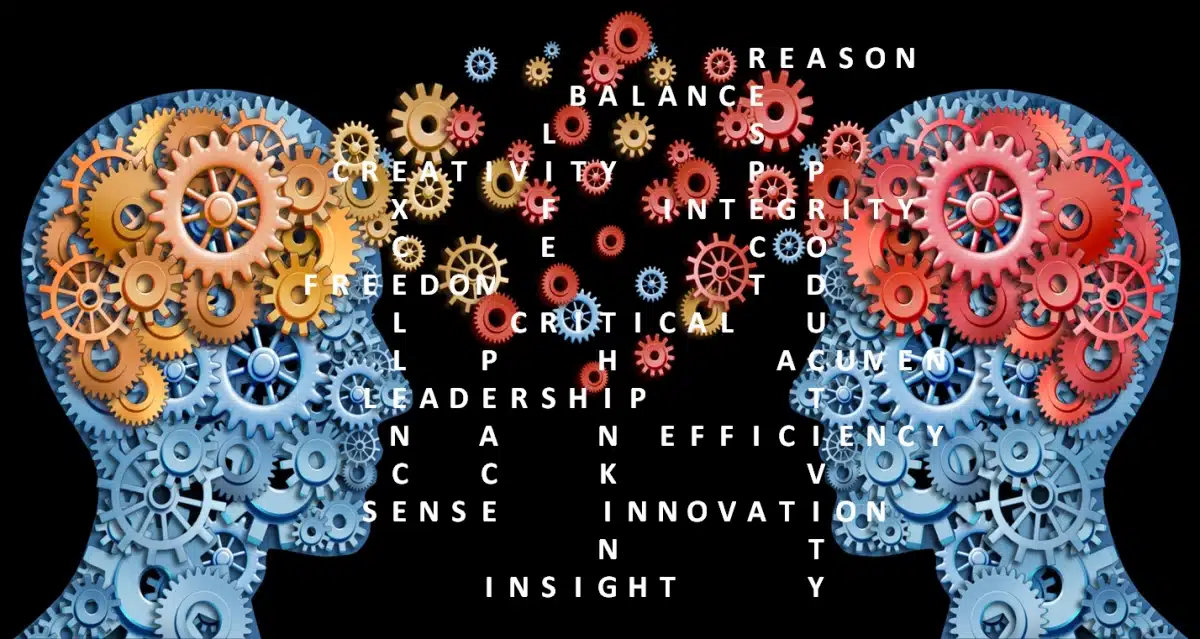

Critical thinking skills are essential for enhancing productivity and profitability in various professional settings. Here are several ways to leverage these skills to achieve these goals:
- Problem Identification and Definition:
- Use critical thinking to identify and define problems accurately. This involves questioning assumptions, gathering relevant information, and understanding the root causes of issues.
- Clearly articulate the problem to ensure everyone involved has a shared understanding.
- Data Analysis:
- Analyze data objectively and critically. Look for patterns, correlations, and outliers.
- Validate the reliability and relevance of the data before making decisions.
- Effective Decision-Making:
- Evaluate alternative solutions or courses of action. Consider potential risks and benefits.
- Avoid impulsive decisions and instead make informed choices based on careful analysis.
- Creative Problem Solving:
- Encourage innovative thinking to generate creative solutions. Challenge conventional wisdom and explore unconventional ideas.
- Foster an environment that values diverse perspectives and encourages brainstorming.
- Communication Skills:
- Clearly and concisely communicate ideas, analyses, and decisions. Use critical thinking to organize thoughts and present them in a logical manner.
- Listen actively to others’ perspectives and be open to feedback.
- Strategic Planning:
- Apply critical thinking to strategic planning by assessing the long-term impact of decisions on the organization.
- Anticipate potential challenges and develop contingency plans.
- Continuous Learning:
- Cultivate a mindset of continuous learning and improvement. Stay informed about industry trends, best practices, and emerging technologies.
- Regularly reassess assumptions and update strategies based on new information.
- Risk Management:
- Evaluate risks associated with different courses of action. Develop strategies to mitigate or manage those risks effectively.
- Avoid unnecessary risks while being open to calculated risks that can lead to innovation and growth.
- Collaboration and Teamwork:
- Foster a collaborative environment where team members are encouraged to question and challenge ideas constructively.
- Use critical thinking to facilitate effective teamwork and harness the collective intelligence of the team.
- Adaptability:
- Embrace change and be adaptable. Critical thinking helps in navigating uncertainties and adjusting strategies in response to evolving situations.
- Encourage a culture that values flexibility and agility.
- Performance Evaluation:
- Use critical thinking to assess and evaluate the effectiveness of processes, strategies, and individual performance.
- Implement feedback loops to continuously improve and optimize operations.
Incorporating critical thinking skills into daily operations and decision-making processes can lead to a more agile and innovative organization, ultimately enhancing productivity and profitability. It involves cultivating a culture that values thoughtful analysis, open communication, and a commitment to continuous improvement.




Leave a Reply